
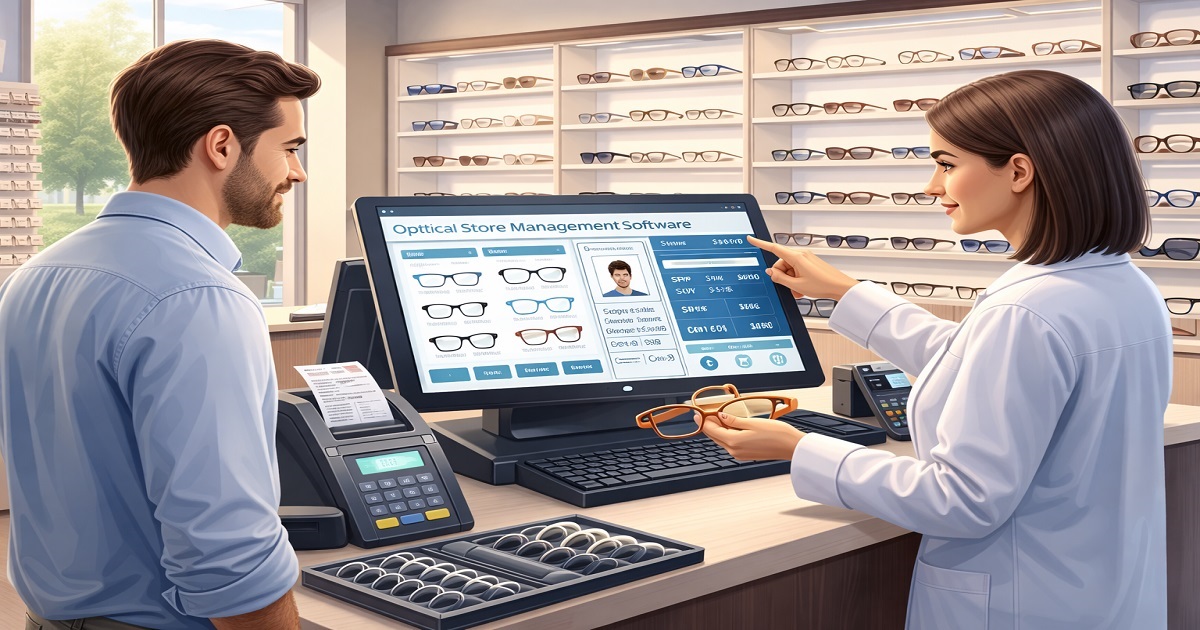
Data control has become one of the most important priorities for optical businesses in Saudi Arabia. As optical stores continue to expand their product ranges, customer databases, prescription records, inventory systems, and financial operations, managing information accurately is no longer optional. In 2026, businesses that fail to organize and protect their data face operational inefficiencies, compliance risks, and customer dissatisfaction. This is where برنامج إدارة محلات البصريات plays a critical role in improving data control across every aspect of optical store management.
The growing demand for digital transformation has encouraged optical retailers to adopt advanced software solutions. A modern برنامج إدارة محلات البصريات provides centralized data management, secure record keeping, automated workflows, and real-time reporting. These capabilities help optical businesses maintain accurate information while improving productivity and customer service. As Saudi Arabia continues to accelerate its Vision 2030 digital initiatives, optical retailers are increasingly investing in technology that delivers stronger data governance and operational transparency.
Understanding Data Control in Optical Businesses
Data control refers to the ability of a business to collect, organize, secure, access, and utilize information effectively. In optical stores, data comes from multiple sources including customer profiles, eye examination records, prescriptions, supplier information, inventory databases, employee records, sales transactions, and financial reports.
Without a centralized system, businesses often struggle with duplicate records, inaccurate inventory counts, misplaced customer information, and delayed reporting. These issues can negatively impact decision-making and customer trust.
A specialized optical management solution helps eliminate these challenges by providing a single platform where all business data can be managed efficiently.
Why Data Control Matters More in 2026
The optical retail industry is becoming increasingly data-driven. Customers expect faster service, personalized recommendations, and seamless purchasing experiences. At the same time, business owners require instant access to operational insights to remain competitive.
As data volumes continue to grow, manual management methods become less effective. Modern optical stores need systems that can process large amounts of information accurately while maintaining security and compliance standards.
Improved data control allows businesses to reduce errors, increase efficiency, and create better customer experiences. This makes optical management software a valuable investment for long-term growth.
Centralized Customer Information Management
One of the most significant areas where data control improves is customer information management.
Optical stores handle sensitive customer data such as prescriptions, vision measurements, appointment histories, contact details, and purchase records. Managing this information manually can lead to inconsistencies and lost records.
A modern optical management system centralizes all customer data into a unified database. Staff can instantly access complete customer histories, reducing search times and improving service quality.
Centralized information also supports better communication. Employees can quickly retrieve customer records, verify prescription details, and recommend products based on previous purchases. This creates a smoother customer experience while ensuring information accuracy.
Better Prescription Data Accuracy
Prescription management is one of the most critical responsibilities of optical businesses.
Errors in prescription records can result in incorrect eyewear production, customer dissatisfaction, and financial losses. Manual record keeping increases the risk of mistakes caused by handwriting issues, data duplication, or misplaced documents.
Optical management software improves data control by digitally storing prescription information. The system automatically links prescriptions to customer profiles, making retrieval quick and reliable.
This digital approach reduces human error while ensuring that prescriptions remain accessible whenever needed. Businesses can confidently provide accurate products and maintain customer trust.
Enhanced Inventory Data Control
Inventory management is another area where optical software delivers substantial improvements.
Optical stores typically manage thousands of products, including frames, lenses, accessories, and contact lenses. Tracking inventory manually can lead to inaccurate stock counts and missed sales opportunities.
A specialized management system provides real-time inventory visibility. Every sale, return, or stock adjustment automatically updates inventory records. This ensures that inventory data remains accurate at all times.
Store managers can monitor stock levels, identify fast-moving products, and prevent shortages. Better inventory control contributes to improved profitability and operational efficiency.
Improving Financial Data Management
Financial accuracy is essential for business success. Optical stores process numerous transactions daily, making manual financial tracking time-consuming and prone to errors.
Optical management software centralizes financial data by integrating sales, purchases, inventory costs, and customer payments into one system.
This integration creates accurate financial records and reduces the need for duplicate data entry. Business owners gain access to reliable reports that support budgeting, forecasting, and strategic planning.
With improved financial data control, managers can make informed decisions based on real-time information rather than outdated spreadsheets.
Real-Time Business Reporting
Access to accurate reports is essential for effective decision-making.
Traditional reporting methods often require manual data collection from multiple sources. This process consumes valuable time and increases the likelihood of inaccuracies.
Modern optical management systems generate real-time reports automatically. Business owners can analyze sales performance, inventory trends, customer behavior, and employee productivity through interactive dashboards.
These reporting capabilities improve visibility across operations and help businesses respond quickly to market changes.
Stronger Data Security Measures
Data security remains a top concern for businesses across Saudi Arabia.
Optical stores handle confidential customer information that must be protected from unauthorized access and cyber threats. Paper records and disconnected systems often create security vulnerabilities.
A professional optical management platform improves security through user permissions, encrypted databases, automated backups, and controlled access settings.
Only authorized personnel can access specific information, reducing internal security risks. Automated backup features further protect data from accidental loss or system failures.
These security measures help businesses maintain customer confidence while supporting regulatory compliance.
Streamlined Employee Access Control
Managing employee access is an important aspect of data control.
Different staff members require different levels of access depending on their responsibilities. Without proper controls, sensitive information may become accessible to unauthorized users.
Optical management software allows administrators to assign customized user roles and permissions. Sales staff can access customer and sales records while managers can view advanced reports and financial information.
This structured approach strengthens data security while ensuring employees have access to the information they need.
Supporting Multi-Branch Operations
Many optical businesses in Saudi Arabia are expanding through multiple branches.
Managing data across different locations can become challenging without a centralized platform. Separate systems often create inconsistencies and reporting delays.
A cloud-based optical management solution enables centralized control across all branches. Data updates occur in real time, ensuring consistency throughout the organization.
Managers can monitor inventory, sales performance, and customer activity across multiple locations from a single dashboard. This level of visibility supports better operational coordination and strategic planning.
Improved Customer Relationship Management
Customer loyalty is increasingly influenced by personalized experiences.
Optical management software improves customer relationship management by organizing detailed customer profiles and interaction histories.
Businesses can track purchase behavior, appointment schedules, prescription renewals, and communication preferences. This information allows staff to deliver personalized recommendations and timely follow-ups.
Better customer engagement contributes to higher retention rates and increased customer satisfaction.
Automation Reduces Data Entry Errors
Manual data entry remains one of the leading causes of business inaccuracies.
Employees may accidentally enter incorrect information, create duplicate records, or overlook important updates. These errors can spread throughout the organization and affect business performance.
Automation significantly improves data control by reducing manual intervention. Information entered once can automatically update related records throughout the system.
Automated workflows improve consistency, accuracy, and efficiency while reducing administrative workloads.
Cloud Technology and Data Accessibility
Cloud technology continues to transform business operations in 2026.
Cloud-based optical management systems provide secure access to business data from virtually any location. Managers can review reports, monitor performance, and oversee operations without being physically present at the store.
This flexibility supports faster decision-making and enhances business continuity. Secure cloud environments also provide automatic updates and backup protection, further strengthening data control.
Compliance and Regulatory Readiness
Businesses increasingly face regulatory requirements related to data management and customer privacy.
Maintaining organized records and secure storage practices helps optical retailers remain prepared for compliance obligations. A structured management system creates audit-ready documentation and transparent operational records.
Improved compliance readiness reduces administrative stress while supporting professional business standards.
Future Trends in Optical Data Management
The future of optical retail will rely even more heavily on data intelligence.
Artificial intelligence, predictive analytics, and automated customer engagement tools are becoming integrated into modern management systems. These technologies depend on accurate, well-organized data to function effectively.
A modern برنامج إدارة محلات البصريات provides the tools required to centralize information, automate workflows, improve security, and generate real-time insights. These capabilities help businesses reduce errors, increase efficiency, enhance customer experiences, and support sustainable growth. As competition intensifies and digital expectations rise, investing in advanced optical management software remains one of the smartest decisions an optical retailer can make.
FAQs
What is برنامج إدارة محلات البصريات?
It is specialized software designed to manage optical store operations, including inventory, customer records, prescriptions, sales, and reporting.
How does optical software improve data control?
It centralizes business information, automates updates, reduces errors, and improves data accessibility and security.
Can optical management software help with inventory tracking?
Yes, it provides real-time inventory monitoring and automatically updates stock levels after each transaction.
Is customer information secure in optical management systems?
Most modern systems include encryption, user permissions, and backup features to protect sensitive customer data.
Why is data control important for optical stores?
Strong data control improves accuracy, supports better decisions, enhances customer service, and increases operational efficiency.
Leave a Reply